Ever stared at those expensive installation quotes in Dubai and thought, "There has to be a better way"? Well, you are right; as living costs in Dubai reach a new high and the trend of do-it-yourself projects in the UAE increases, more locals are taking matters into their own hands and tackling blind installation projects on their own.
📌 Key Takeaways
DIY blind installation can reduce installation costs for Dubai homeowners. Accurate measurements are essential for a successful installation. Concrete walls may require masonry drill bits and suitable wall anchors. A level helps ensure brackets and blinds are installed straight. Always test blind operation after installation. Complex windows and motorized systems may require professional installation.
Essential Tools and Materials for UAE Conditions
Must-Have Tools:
• Steel tape measure (more accurate than fabric ones in the UAE's heat)
• Pencil for marking mounting points
• Level to ensure straight installation
• Cordless drill with various drill bits
• Screwdriver (manual backup for precision work)
• Step ladder appropriate for your ceiling height
UAE-Specific Considerations: The strategy most commonly used in construction in Dubai is concrete walls and steel-reinforced buildings. You will most likely need a stone bit for concrete walls and perhaps even wall anchors, provided you are not hitting studs.
Getting DIY Blind Installation Right the First Time
Start by deciding between inside mount (blinds fit within the window frame) or outside mount (blinds cover the entire window and frame).
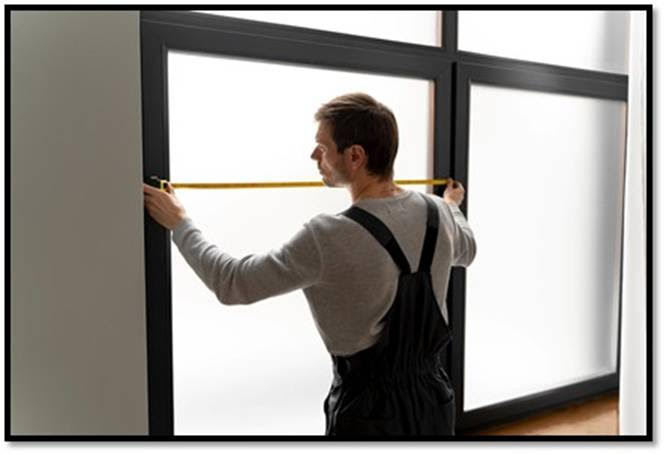
When measuring for inside mount blinds, measure the inside of the window frame in three places for width: across the top, middle, and bottom, as not all windows are built perfectly.
Step-by-Step Installation Process
Step 1: Mark Your Bracket Positions Hold the mounting brackets in position and mark screw holes with your pencil. Use your level to ensure brackets align perfectly; crooked blinds are immediately noticeable and can cause operational issues.
Step 2: Drill Pilot Holes. In the UAE's concrete construction, pilot holes are crucial. Start with a smaller bit than your screws require, then gradually increase the size if needed. This prevents cracking in concrete or splitting in the aluminum frames common in Dubai apartments.
Step 3: Secure the Brackets. Install mounting brackets using appropriate screws for your wall type. In concrete walls, you may need wall anchors. For aluminum window frames, use self-tapping screws designed for metal.
Step 4: Install the Headrail Clip or slide the blind headrail into the mounted brackets. Most modern blinds have easy-click mechanisms, but ensure the headrail seats properly in both brackets before letting go.
Step 5: Test Operation Before calling the job complete, test all blind functions. Raise and lower the blinds several times, and ensure tilting mechanisms work smoothly. In Dubai's dusty environment, smooth operation from day one is essential.
When to Call in the Professionals
While DIY blind installation can save money and provide satisfaction, certain situations warrant professional help. Complex window shapes, motorized systems, or installations requiring specialized tools may exceed typical DIY capabilities.
Conclusion
Completing your DIY blind installation project brings genuine satisfaction while saving significant money in Dubai's expensive service market. With careful planning, proper tools, and attention to UAE-specific conditions, most homeowners can achieve professional-looking results. For bedrooms where light control is especially important, blackout curtains can also help create a darker, more comfortable environment for restful sleep.
Frequently Asked Questions
1. What tools are needed for DIY blind installation?
Common tools include a steel tape measure, pencil, level, cordless drill, suitable drill bits, screwdriver, and step ladder. Concrete walls may also require masonry drill bits and wall anchors.
2. How do I measure windows for DIY blind installation?
For inside-mounted blinds, measure the window width at the top, middle, and bottom of the frame. Taking multiple measurements helps account for uneven window openings and improves installation accuracy.
3. Should I choose inside-mount or outside-mount blinds?
Inside-mount blinds fit within the window frame for a clean appearance, while outside-mount blinds cover the window and frame. The right option depends on the window design, available space, and desired light coverage.
4. Can I install blinds on concrete walls myself?
Yes, but concrete walls may require a masonry drill bit, pilot holes, and suitable wall anchors. Using the correct hardware helps ensure the brackets are securely attached.
5. How can I make sure my blinds are installed straight?
Use a level when marking and securing the mounting brackets. Keeping the brackets properly aligned helps prevent crooked blinds and ensures smoother operation.
6. When should I hire a professional for blind installation?
Professional installation may be preferable for complex window shapes, motorized blinds, difficult-to-access windows, or projects requiring specialized tools and installation expertise.
7. Should I test the blinds after installation?
Yes. Raise, lower, and tilt the blinds several times after installation to confirm that the headrail, brackets, and operating mechanisms are secure and working smoothly.