SPC (Stone Plastic Composite) flooring is a fully waterproof floor built to handle heat, moisture, and heavy everyday use. Made from a stone-based core covered with decorative and wear layers, it's more stable than ordinary vinyl or laminate. This guide covers how SPC flooring Dubai is made, where it works best, what it costs in Dubai, and how to choose the right tiles for your home.
Many homeowners in Dubai renovate their villa and choose a flooring they love — only to see it warp within a year because of humidity or underfloor heating. This happens more often than people think, usually because nobody asked the right question first: is this material really made for this climate?
That's exactly why SPC flooring keeps coming up in conversations with contractors and interior designers across the city, and why working with a trusted Flooring Service in Dubai from the start makes such a difference. across the city.
What Is SPC Flooring?
SPC stands for Stone Plastic Composite. It's one of the most practical flooring options available today. Picture a hard, waterproof floor that looks like wood or stone but doesn't behave like either.
Unlike laminate or engineered wood, SPC flooring doesn't expand or shrink much when temperature or moisture changes. That single trait makes it a strong choice for homes with underfloor heating or rooms that get a lot of humidity — both common here.
Many people mix up SPC flooring with vinyl flooring, and that confusion is understandable — they look alike on the surface. But SPC has a dense core that vinyl doesn't, and that changes how it feels underfoot and how long it lasts.
How Is SPC Flooring Made?
The way SPC flooring is made explains a lot about why it performs the way it does.
Each plank is built in layers. Knowing these layers helps when comparing SPC tiles from different brands:
- Base layer: A hard core made from limestone powder, PVC, and stabilizers pressed together with heat and pressure.
- Decorative layer: A printed film that gives the plank a wood or stone look.
- Wear layer: A protective coating that resists scratches, stains, and everyday wear.
- UV coating (optional): Adds protection against fading — useful in rooms that get direct sunlight.
This layered structure is what gives SPC flooring its stiffness. The stone-based core resists denting, and the wear layer takes foot traffic without showing scuffs the way softer materials do.
Why the Core Layer Matters So Much
The stone composite core is the real difference-maker. It's heavier and denser than vinyl backing, so the plank stays flat instead of curling at the edges over time — a common complaint with cheaper flooring.
What Are the Main Benefits of SPC Flooring?
People usually ask about benefits before anything else, and that's fair. Here's what stands out in daily life, not just on a spec sheet.
- Waterproof core: Spills, mopping, even small leaks won't damage the plank itself.
- Dimensional stability: It doesn't shrink much with temperature changes, which matters a lot with Dubai's air conditioning swings.
- Scratch and dent resistance: Furniture legs and pet claws generally don't leave marks.
- Low maintenance: A damp mop handles cleaning — no special products required.
- Comfortable underfoot: With an underlay, it feels warmer and quieter than tile.
What Are the Different Types of SPC Flooring?
Not all SPC flooring looks or performs the same, and the differences matter more than people expect.
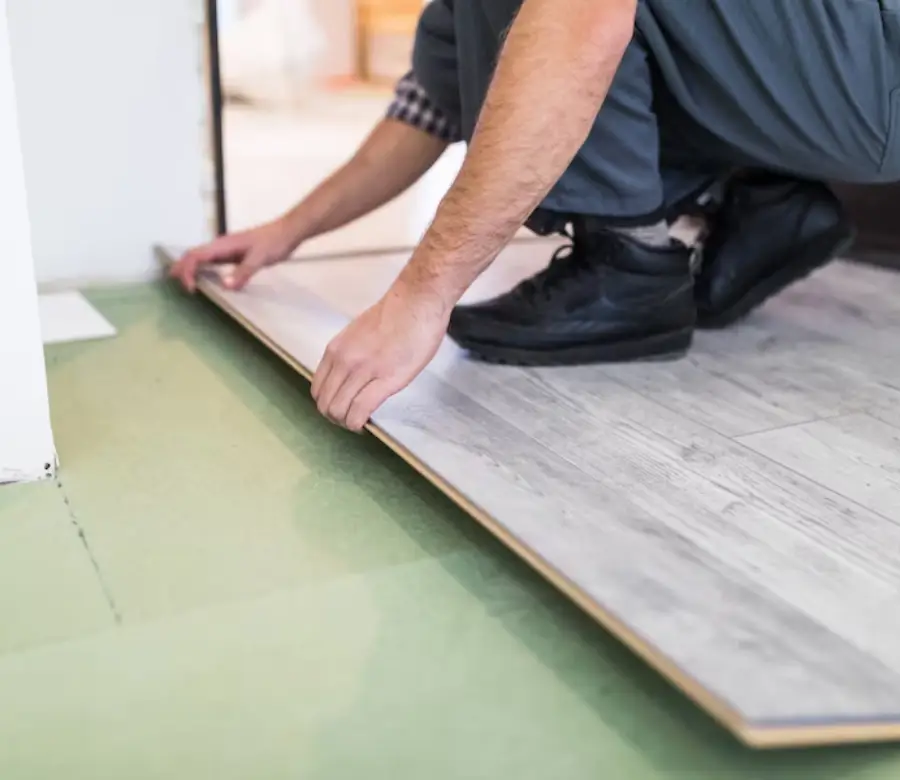
Click-lock SPC flooring is the type most commonly sold to homeowners. The planks snap together without glue, which makes installation faster and allows removal if needed.
Glue-down SPC flooring sits flatter and works well in commercial spaces with heavy foot traffic, but it's a more permanent installation.
Rigid core versus flexible core is another distinction worth knowing. Rigid-core SPC tiles handle subfloor imperfections better, while flexible versions need a level base to lie flat.
Texture varies too — some SPC planks are smooth and matte, others look hand-scraped like real wood. Guests often can't tell the difference until they touch it.
Where Can SPC Flooring Be Used?
This is where SPC really earns its reputation — it's suited to spaces that would ruin other flooring types within a year.
Kitchens deal with spills constantly, and SPC doesn't swell at the seams when wet. Bathrooms benefit from its waterproof core, though it's still important to seal properly around fixtures. Balconies and covered outdoor areas work fine too, as long as the SPC is rated for UV exposure.
It also suits villas and apartments across the board — bedrooms, home offices, retail spaces. Basically anywhere moisture or temperature swings would normally cause trouble, SPC stays solid.
How Much Does SPC Flooring Cost in Dubai?
Prices usually depend on thickness, the quality of the wear layer, and the brand's reputation.
- Budget SPC flooring starts at a lower price per square metre and suits homes or areas with less traffic.
- Mid-range SPC balances price and durability well — most homeowners land here.
- Premium SPC tiles have thicker wear layers and more realistic textures. They cost more but last longer under heavy use.
Installation adds to the total cost. Click-lock systems usually cut down on labor time compared to glue-down options. It's worth getting quotes from a few suppliers instead of choosing the first one — pricing can vary more than most people expect.
How to Choose the Right SPC Flooring
Start with the thickness of the wear layer. A thicker wear layer generally gives better scratch resistance, especially in busy areas like hallways and living rooms.
Check the density of the core. A denser core resists dents from furniture and heavy foot traffic better than a lighter one.
Consider how much sun the room gets. If a space receives sunlight for many hours, look for SPC with a UV-resistant coating to prevent fading over time.
Don't skip the underlay. A good underlay quiets sound and makes the floor feel more comfortable — a small cost relative to the total flooring budget. Skirting boards, transition strips, and other SPC Flooring Accessories are worth planning for at the same time, since they finish off the edges and make the whole installation look intentional.
Conclusion
SPC flooring solves a lot of problems that Dubai homes deal with regularly — from underfloor heating to humidity to heavy daily use. It's not the cheapest option on the market, but for most homeowners, the durability more than makes up for the price difference over time. If you'd rather have someone assess your space and recommend the right thickness and finish instead of guessing, a local flooring specialist like Dubai Blind can walk you through samples and pricing based on your actual rooms.
Frequently Asked Questions About SPC Flooring
Is SPC flooring better than vinyl flooring?
In practical ways, yes. SPC has a stone-based core that resists dents and moisture better than normal vinyl.
Is SPC flooring waterproof?
Yes. The core is fully waterproof, which makes SPC suitable for kitchens and bathrooms.
How long does SPC flooring last?
With proper installation and normal use, SPC flooring usually lasts between 15 and 25 years.
Is SPC flooring good for bathrooms?
Yes. Its waterproof core works well in bathrooms, though proper sealing around fixtures and edges is still recommended.
Is SPC flooring easy to clean?
Very easy. Regular sweeping and a damp mop handle most cleaning needs.
Does SPC flooring scratch easily?
Not usually, especially when the wear layer is thick. Still, sharp or heavy objects can leave marks if dragged across the floor.
Is SPC flooring suitable for commercial spaces?
Yes, especially glue-down SPC, which handles the heavy foot traffic common in offices and retail spaces.
Where can I get SPC flooring installed in Dubai?
Suppliers like Dubai Blind offer SPC flooring along with guidance on thickness, finish, and installation suited to your space.