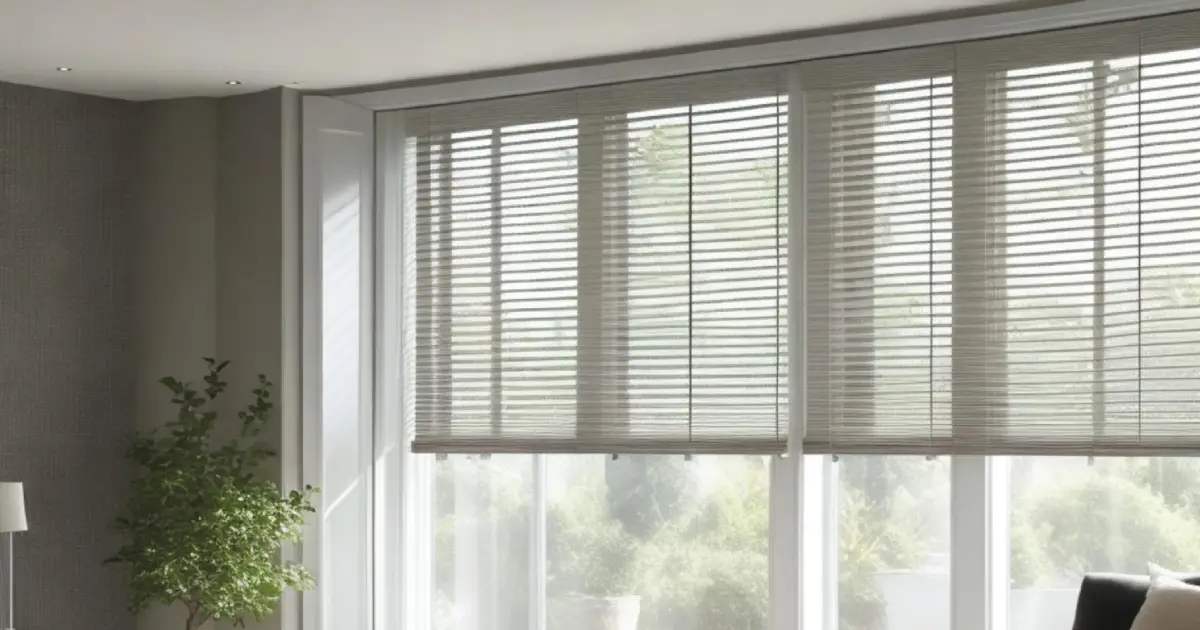
- Measure for Window Shades
- Types of Window Coverings
- How to measure windows for blinds with the right tools
- How Do You Measure Windows for Blinds? Inside Mount
- How to Measure for Window Shades: Outside Mount
- How do I accurately measure for blinds in arched or circular windows?
- Common errors to avoid when measuring window blinds
- Choosing the Right Window Coverings for Your Space
- Why Cordless Blinds Are a Must in 2023
- Where to Shop
📌 Key Takeaways
Accurate measurements are essential to ensure window shades fit properly and operate smoothly. Decide whether you need an inside mount or outside mount before taking measurements. For inside mounts, carefully measure the window's width, height, and depth. For outside mounts, measure the window opening and determine the appropriate shade overlap. Always measure each window individually, even when multiple windows appear to be the same size. Record measurements carefully and follow the manufacturer's rounding requirements before ordering. Double - check your measurements to help prevent sizing errors and installation problems.
Measure for Window Shades
Think you know everything about window coverings?
Well, did you know that measuring your windows is the most important step for a perfect fit? And that choosing the right type of window covering can completely remodel your room. Today, we want to chat with you about something that might not be the most glamorous part of interior design but is crucial: proper measurement and selection of window coverings.
Alright, let's start with the basics - measuring your windows for blinds or shades. Why is this so important? Well, because windows come in all shapes and sizes, my friend. What works for one person won't necessarily work for another.
Imagine ordering a pair of fantastic new blinds only to find out they're too long, too short, or simply too wide for your window. That's not just a design disaster waiting to happen; it's a waste of time and money.
So, here's the scoop on how to measure like a pro:
- Get out your trusty tape measure: It will be your new best friend in this endeavor. Make certain that it is accurate—we are talking millimeters here!
- Measure the width: Start from the inside of the window frame, top to bottom, and note down the narrowest measurement. If you want an inside mount, that's your measurement. For an outside mount, add a bit to each side for coverage and clearance.
- Measure the height: Again, from the inside frame's top to bottom, record the longest measurement. For an inside mount, this is it. For an outside mount, add some extra for overlap.
- Check for obstructions: Don't forget to account for any handles, cranks, or obstacles that might get in the way of your window coverings.
Types of Window Coverings
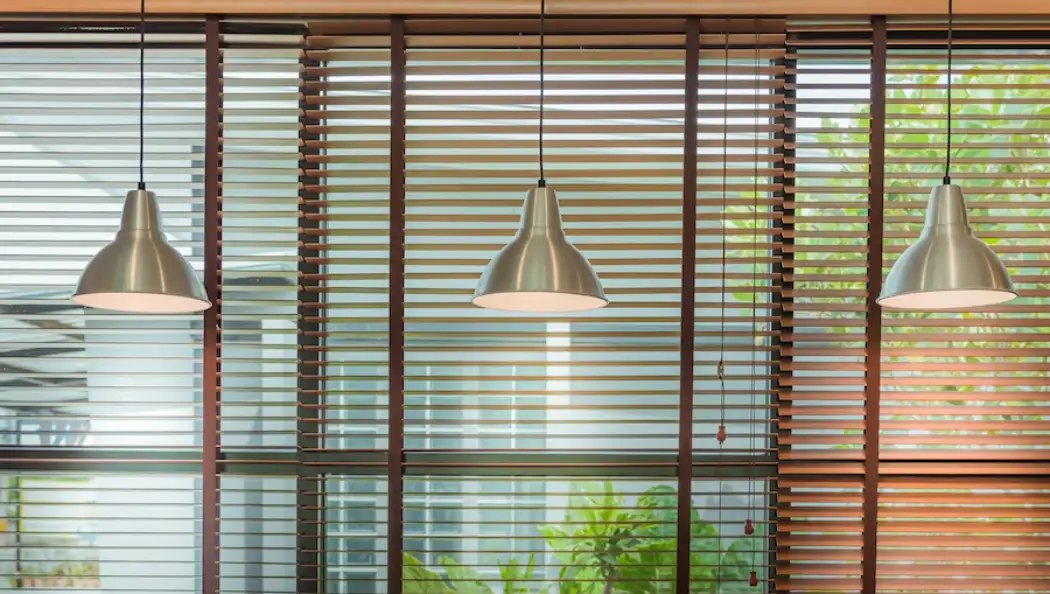
Now that you're a measurement master, let's talk about the fun part: picking the perfect window coverings. There are numerous options available, each with its own distinct charm.
- Blinds: Classic and versatile, blinds come in various materials like wood, faux wood, aluminum, and even fabric. They offer precise light control and privacy options.
- Shades: Shades are a soft, elegant alternative. From roller shades to Roman shades, they come in an array of styles, colors, and opacities. Perfect for diffusing light and creating a cozy atmosphere.
- Shutters: If you want a timeless, plantation-style look, shutters are the way to go. They're durable, easy to clean, and offer excellent insulation.
- Curtains and Drapes: For a touch of drama and a pop of color, curtains and drapes are your go-to. They can instantly change the mood of a room and are great for framing larger windows.
Successful home improvement projects depend on precise measurements, especially when it comes to window coverings. Inaccurate measurements can have significant financial repercussions. Imagine ordering blinds or shades that do not properly fit your windows. It frequently necessitates the need for exchanges, repairs, or even professional assistance, all of which can drain your bank account and result in needless frustration. By taking the time to accurately measure, you can save yourself time, money, and headaches. Long-term return on investment, ensuring that your window treatments not only look fantastic but also perform exactly as intended.
How to measure windows for blinds with the right tools
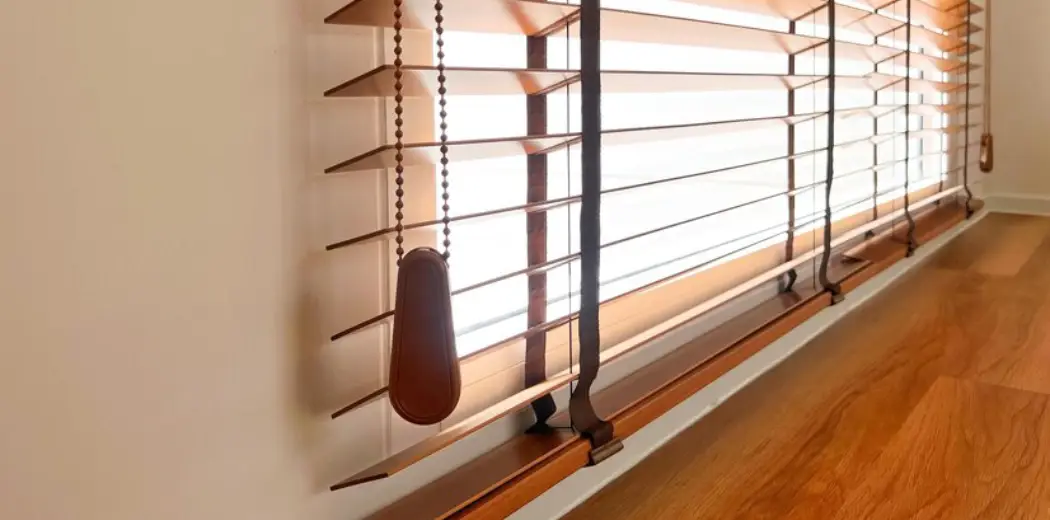
The best tools for measuring windows for blinds include a reliable tape measure, a notepad, a pencil for jotting down measurements, and a level if your windows have uneven surfaces. Laser meters can also provide precise readings, making them a handy tool for accuracy enthusiasts.
How Do You Measure Windows for Blinds? Inside Mount
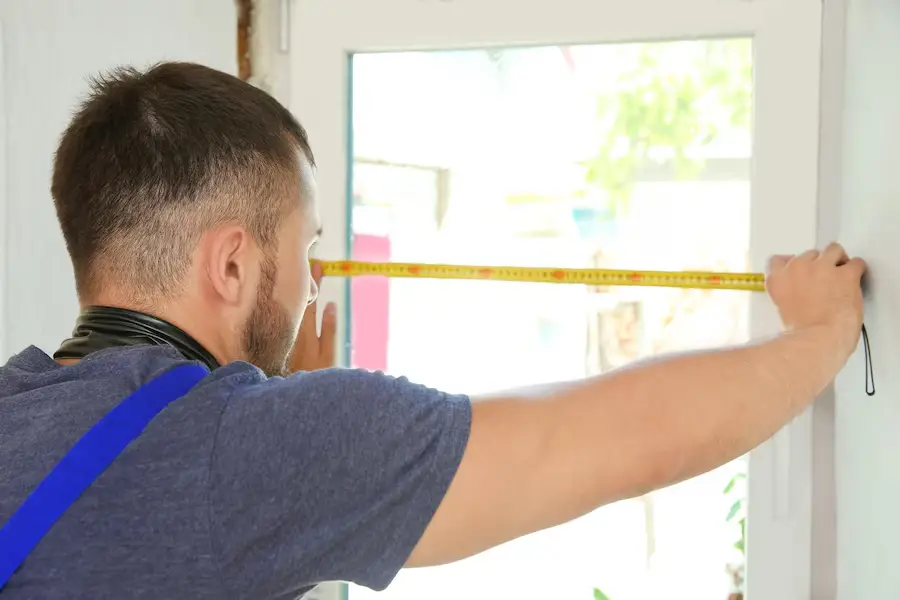
1. Measuring the Width
When it comes to inside-mount blinds, precision is key. Here's how to nail it: Measure the width at the top, middle, and bottom of your window frame. Take note of each measurement. Now what if my window frames are uneven?
Great question! If you find variations in your measurements, always go with the narrowest width. This ensures your blinds fit snugly without any unsightly gaps.
2. Measuring the Height
Now, let's tackle the height. Here's the drill:
Measure the height at the left, middle, and right sides of your window frame. Write down each measurement. But what if you have bay windows?
Bay windows can be tricky, but here's a tip: measure each section separately, as if they were individual windows. Then, order blinds to fit each section accordingly.
How to Measure for Window Shades: Outside Mount
1. Measuring the Width
When you're going for an outside mount with shades, here's what you need to do:
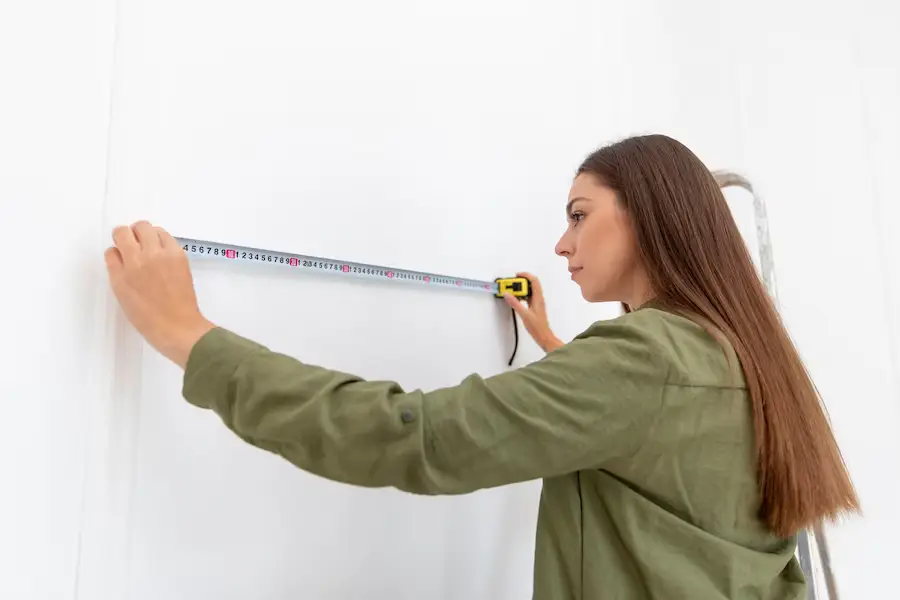
Measure the width outside the window frame. Don't forget to add a little extra for overlap.
People often ask, How much overlap should I add?
Typically, 2 to 3 inches of overlap on each side should do the trick. This ensures that your shades effectively cover the window and block out unwanted light.
2. Measuring the Height
Last but not least, let's talk about measuring the height for outside-mount shades:
Measure from the sill to your desired top position for the shade. Again, add some extra for overlap.
How do I accurately measure for blinds in arched or circular windows?
Irregular-shaped windows can be a bit tricky, but it's doable. For arched windows, measure the width at the widest point and the height from the center of the arch to the bottom. For circular windows, measure the diameter. Many blind manufacturers offer custom solutions for these shapes, so providing accurate measurements is crucial.
Common errors to avoid when measuring window blinds
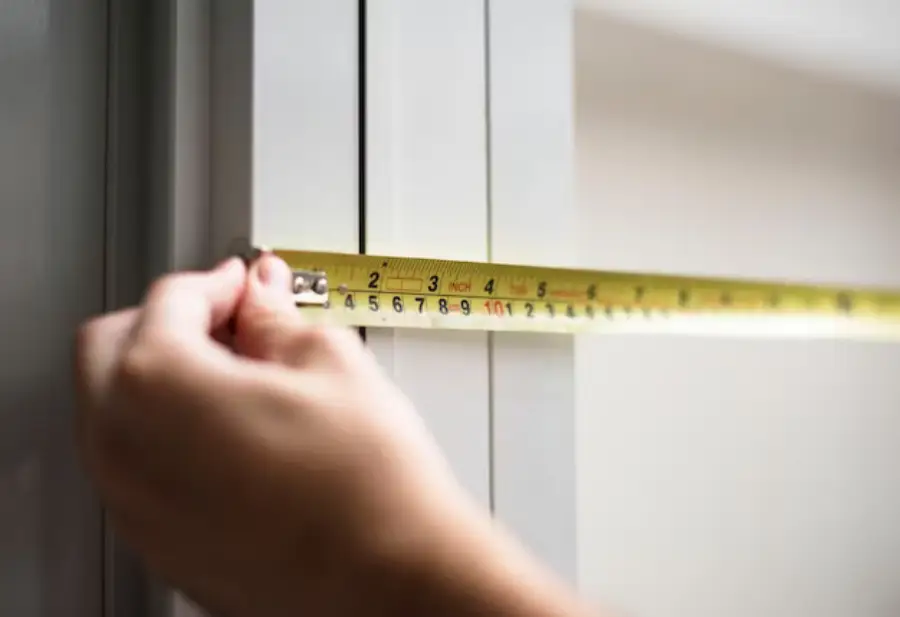
- Not measuring at the narrowest point: For inside mounts, always measure at the narrowest width and the tallest height to ensure a snug fit.
- Neglecting obstacles: Failure to account for window handles, cranks, or other obstructions can lead to blinds that don't function properly.
- Ignoring overlap: For outside mounts, forget to add extra width and height for overlap, resulting in gaps that let in light and compromise privacy.
- Not double-checking measurements: Rushing through the measurement process without double-checking your numbers can lead to costly ordering mistakes.
- Assuming all windows are the same: Avoid the assumption that all your windows have identical dimensions. Measure each window separately, as they may vary.
- Not accounting for window frame irregularities: Older homes may have uneven window frames, so always measure at multiple points for accuracy.
Choosing the Right Window Coverings for Your Space
Window coverings are an essential element of interior design, offering both functional and aesthetic benefits. They not only provide privacy and light control but also contribute to the overall style of your living space. In this introduction, we will explore different types of window coverings and highlight their unique features, helping you make informed choices when it comes to enhancing your home's interior.
Vertical Blinds
Vertical blinds offer unique advantages and drawbacks worth considering. On the plus side, they are an excellent choice for larger windows and sliding glass doors. Their vertical orientation allows for easy light control, and they offer a modern, sleek appearance. However, some cons include potential maintenance issues with individual slats and limited design versatility. When measuring for vertical blinds, it's crucial to account for the height of your window sill or any obstructions like handles or locks. Measure from the top of the window casing to the desired length, keeping in mind any obstacles that might interfere with the blinds' operation.
Venetian Blinds
Venetian blinds have long been admired for their timeless elegance and versatility. They complement various interior styles, from classic to contemporary. Their horizontal slats can be adjusted precisely to control light and privacy levels. These blinds are available in a wide range of materials, colors, and finishes, making them a versatile choice for any space.
Roman Shades
Roman shades offer a perfect blend of aesthetic charm and functional benefits. They add a touch of elegance to any room while providing excellent light control. Roman shades come in various styles, including flat, hobbled, and balloon, allowing you to choose a design that suits your decor preferences. Additionally, their insulating properties make them an excellent choice for improving heat retention and energy efficiency in your home.
Why Cordless Blinds Are a Must in 2023
Cordless blinds will emerge as a must-have window covering option in 2023 for several compelling reasons. These innovative window treatments offer a range of benefits that are driving their popularity:
- Child and Pet Safety: Traditional corded blinds can pose a safety hazard for children and pets. Cordless blinds eliminate this risk, providing peace of mind for families.
- Streamlined Aesthetics: Cordless blinds have a sleek and modern appearance. Their absence of cords creates a clean and uncluttered look, enhancing the overall design of your space.
- Easy Operation: Operating cordless blinds is simple and hassle-free. With a gentle push or pull, you can raise or lower them to your desired level, making them user-friendly for all ages.
- Enhanced Privacy and Light Control: Cordless blinds offer precise control over the amount of light and privacy in your room. You can easily adjust them to let in just the right amount of natural light.
- Durability: Many cordless blinds are designed with robust and durable materials, ensuring that they withstand daily wear and tear, making them a long-lasting investment.
- Noise Reduction: Cordless blinds can help reduce outside noise, creating a quieter and more peaceful indoor environment.
- Integration with Smart Home Systems: In the era of smart homes, cordless blinds can be integrated with home automation systems like Alexa and Google Home, allowing you to control them with voice commands or through your smartphone. This adds a touch of modern convenience to your living space.
Where to Shop
- Online Stores: Explore a wide range of options and convenient shopping from home on websites like Amazon, Wayfair, and dubaiblind.ae
- Home Improvement Stores: For in-person shopping experiences and expert advice, visit local home improvement stores such as Home Depot and Lowe's.
In conclusion, selecting the right window coverings for your home involves careful consideration of your needs, preferences, and the unique features of each type. Accurate measurements and thoughtful selection are key to achieving the desired functionality and aesthetics for your living space. We encourage you to take the time to measure your windows correctly and explore your options thoroughly. Whether you choose cordless blinds, elegant Venetian blinds, or classic curtains, making informed decisions will enhance your home's comfort and style.
Frequently Asked Questions About Measuring for Window Shades
1. Why is it important to measure for window shades accurately?
Accurate measurements help ensure that your window shades fit properly, operate smoothly, and provide the desired level of light control and privacy. Incorrect measurements can result in gaps, poor operation, or installation difficulties.
2. Should I measure the window for an inside mount or outside mount?
The right measurement method depends on how you plan to install the shades. An inside mount fits within the window frame, while an outside mount is installed over or beyond the window opening. Determine your preferred mounting style before taking measurements.
3. What measurements do I need for inside-mounted window shades?
For an inside mount, you generally need to measure the width, height, and available depth of the window opening. Measure the width at multiple points and use the appropriate measurement according to the shade manufacturer's requirements.
4. What measurements are needed for outside-mounted window shades?
For an outside mount, measure the window opening and determine how much additional coverage you want around the window. The shade should provide sufficient overlap to minimize unwanted light gaps and improve privacy.
5. Should I measure every window individually?
Yes. Even if several windows appear to be identical, their dimensions can vary slightly. Measuring each window individually helps ensure that every shade is ordered to the correct size.
6. What tools do I need to measure for window shades?
A reliable steel measuring tape is generally recommended for taking window measurements. Record your measurements carefully and keep the width and height values clearly separated to avoid mistakes when ordering.
7. Should I round my window shade measurements?
Measurement and rounding requirements can vary by shade manufacturer and product. Follow the specific instructions provided by the manufacturer rather than automatically rounding your measurements up or down.
8. What is the most common mistake when measuring for window shades?
Common mistakes include measuring only one part of the window, confusing width and height, failing to account for the mounting style, and recording measurements incorrectly. Double-checking every measurement before ordering can help prevent these issues.